Cleveland Bay Logistics Inc

Freight Forwarding Explained: How It Works and Why It Matters
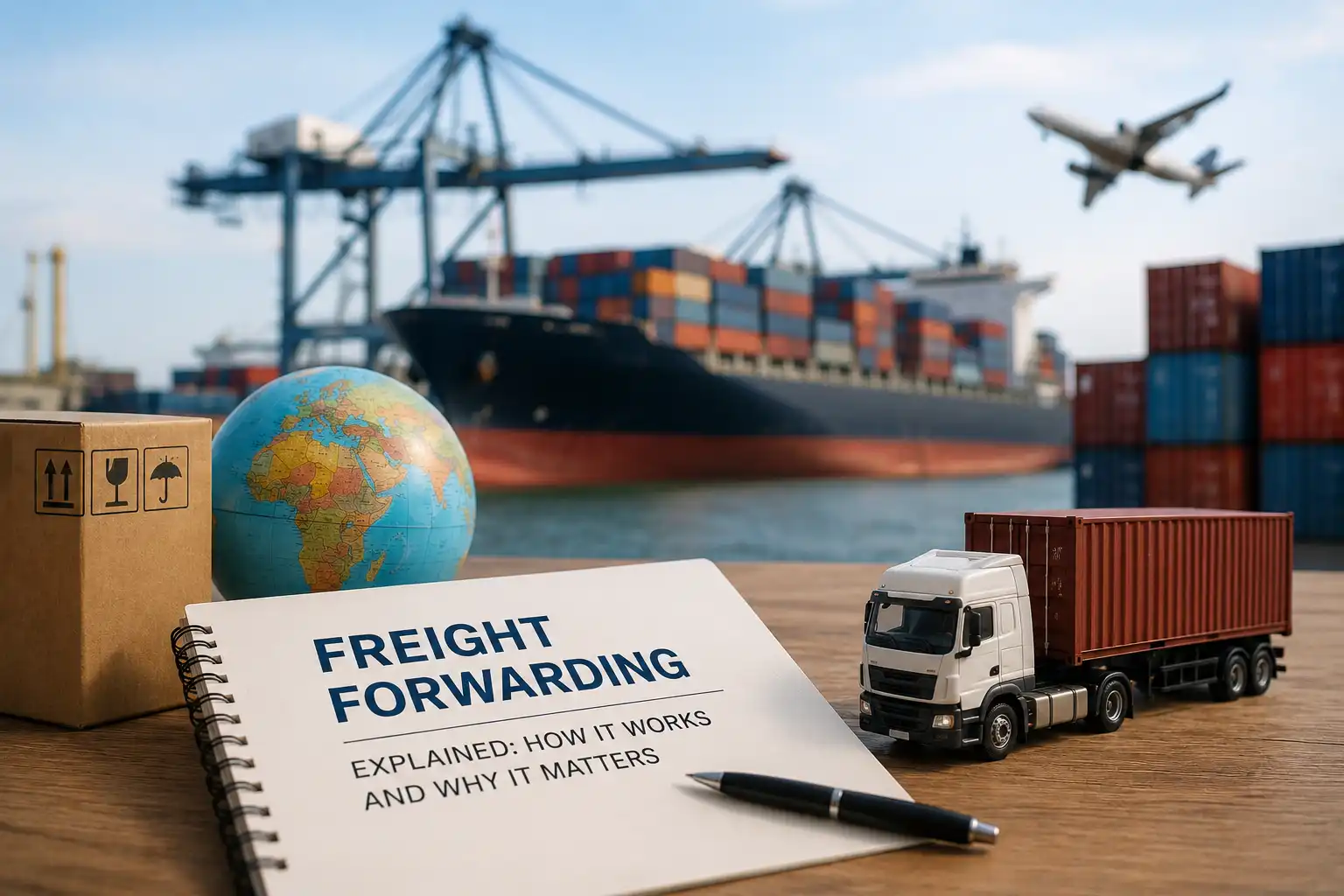
Modern manufacturers must deliver their products to customers worldwide because the current global economy enables international shipping. The logistics process for Canadian businesses becomes extremely difficult when they need to transport heavy shipments between different provinces or to the United States. All three tasks, which include customs regulations, carrier negotiations, and warehousing needs, require full-time employment for their management. This is where a logistics company becomes invaluable. The global supply chain system depends on freight forwarding because it serves as the essential connection between different parts of the supply chain. The team at Cleveland Bay Logistics Inc. works to create operational solutions that help businesses maintain their competitive advantages through technology. What Exactly Is Freight Forwarding? Freight forwarding services use their own freight forwarders to manage all aspects of their shipments, except for the actual cargo movement, which truck drivers handle. They develop the complete operational plan that will oversee all aspects of the shipment process. A forwarder acts as an intermediary that manages all processes required to move goods from their production site to their final destination. Think of a forwarder as a travel agent for cargo. Think of a travel agent booking flights, hotels, and rides to make your vacation stress-free. That’s what a freight forwarder does, but for your cargo—coordinating trucks, trains, ships, and warehouses to move your dry, refrigerated, or flatbed freight efficiently. If you’re looking for a reliable freight broker in Edmonton, Cleveland Bay Logistics Inc. has the local know-how and global reach to handle all the moving pieces. Here’s a step-by-step look at how it works: Understanding the transportation process enables manufacturers and distributors to recognize the value of a logistics company. Why Freight Forwarding Matters for Canadian Businesses For Canadian manufacturers and food companies, there’s a lot at stake. Whether you’re shipping frozen goods that need to stay at a specific temperature (reefer) or heavy machinery that requires a flatbed, how you ship is just as important as when you ship. 1. Navigating Cross-Border Complexity The transport between Canada and the U.S. involves not only a lengthy trucking process but also a variety of requirements set by the CBSA (Canada Border Services Agency) and U.S. Customs and Border Protection. Our firm, Cleveland Bay Logistics Inc., will protect you from potential problems on both sides of the national border. 2. Scalability and flexibility There is no steady growth curve in business, especially among small- to medium-sized distributors. You may require two shipments in one month and up to twenty in another. Professional logistics companies have scalable operations, so there is no need to purchase new fleets. We have many carriers in our system that will provide you with additional capacity at any time of year. 3. Specialized equipment expertise Every type of freight has its peculiarities. The food industry requires a special approach due to temperature control issues. The slightest failure of the refrigeration equipment or an inattentive driver can spoil your entire batch of products. We will take care of the following equipment: The Advantage of a Strategic Freight Broker in Edmonton Location is important. Edmonton is a key gateway for North American trade, connecting the energy, agriculture, and manufacturing sectors to the rest of the world. By working with a freight broker in Edmonton, such as Cleveland Bay Logistics Inc., businesses gain a partner who understands the local area and the unique challenges of Canadian winters and Northern logistics. We are not concerned only with price but more importantly with the safest route. We seek to establish long-term partnerships with those clients who have a constant need for transportation services. Instead of simply handling each project, we become part of your logistics team. Beyond Logistics: Storage and Integration A truly comprehensive logistics firm considers the big picture. Sometimes freight does not have to be transported right away. It could have to be cross-docked, staged, or stored. Cleveland Bay Logistics Inc. lowers the “touches” on your freight by combining warehousing solutions with transportation. Fewer contacts speed up turnaround time and reduce damage risk. This distinction separates, for importers and exporters, a good that is “in stock” from one that is “backordered.” Consolidation Offers Efficiency Freight forwarders frequently use “consolidation” to cut customers’ costs. We can mix your less-than-truckload (LTL) delivery with other shipments traveling in the same direction if you are not shipping a full truckload (FTL). This distributes transportation costs among several shippers, making it more affordable for you without compromising the high level of service demanded by premium logistics. Conclusion: Working Together for the Long Haul The art and science of relocating the world is freight forwarding. It is the engine behind expansion for Canadian companies. Whether you are a distributor overseeing local supply networks or an exporter penetrating the American market, the complexity of the job demands an expert. Stop stressing about the “how” and start concentrating on your “what.” Let Cleveland Bay Logistics Inc. bear the strain. We are prepared to simplify your operations, safeguard your goods, and ensure your company continues to move forward, no matter the destination, as your first logistics firm and professional freight broker in Edmonton. Discuss your ongoing storage and transportation requirements right now with Cleveland Bay Logistics Inc.
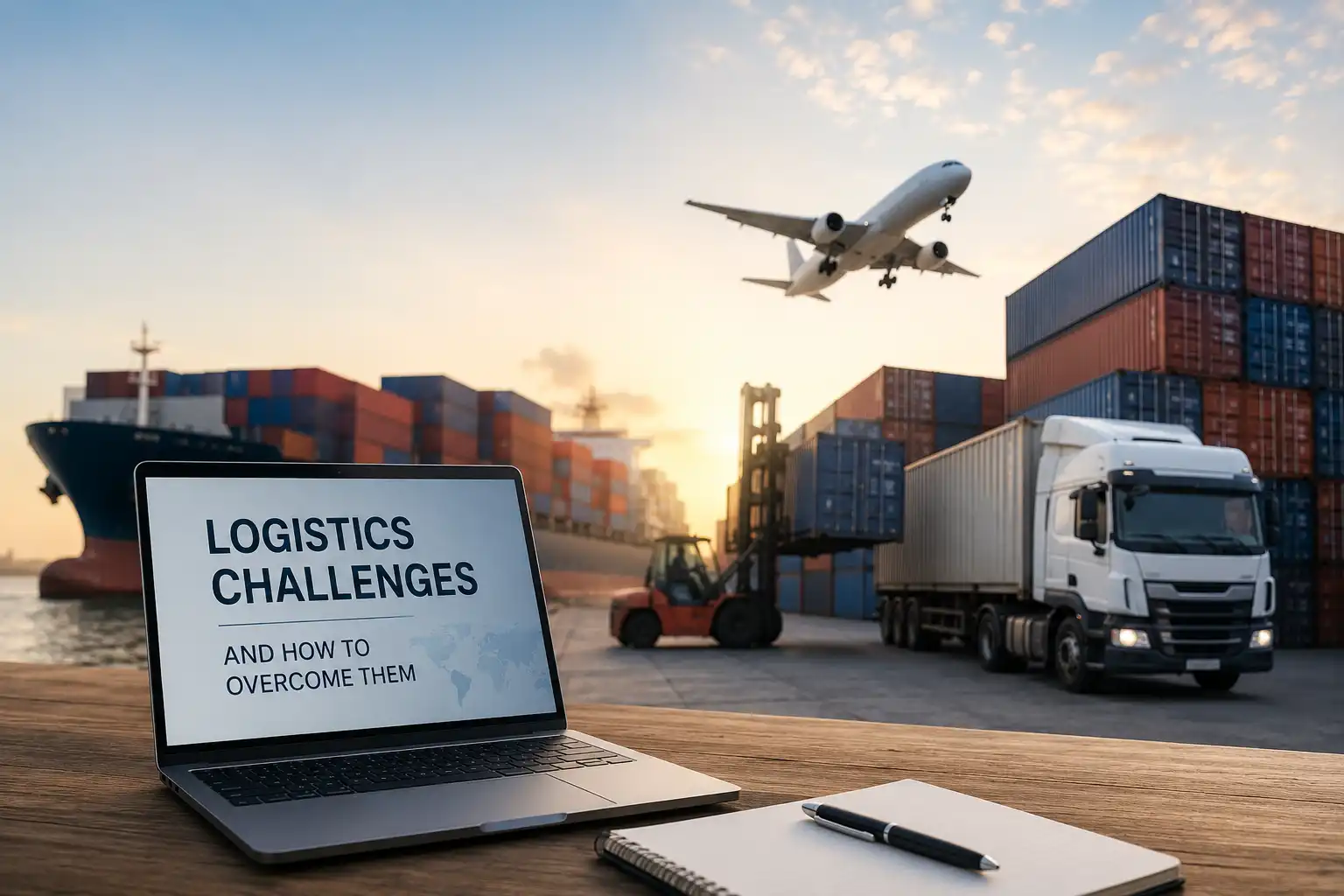
Top Logistics Challenges Businesses Face and How to Overcome Them

In today’s dynamic supply chain, logistics plays a critical role in the success of your auto glass replacement business. Whether you’re a manufacturer, distributor, food supplier, or importer/exporter, efficient transportation and warehousing can directly impact your auto glass replacement line. However, managing logistics is not without its challenges in an auto glass replacement. From rising costs to capacity constraints and cross-border complexities, businesses often struggle to maintain operations when it comes to auto glass replacement. Understanding these challenges and knowing how to overcome them is key to staying competitive with your auto glass replacement. This is where working with a partner like Cleveland Bay Logistics Inc can make all the difference for your auto glass replacement.  The investigation will identify the typical logistics challenges that require effective solutions for your auto glass replacement process. 1. Rising Transportation Costs The increasing transportation expenses businesses face today create challenges for their auto glass replacement needs. The expenses of shipping your auto glass replacement materials are driven by three factors: fuel prices, labor shortages, and equipment maintenance costs. How to Overcome It The rising cost of business operations requires companies to enhance their logistics systems for their auto glass replacement needs. The process includes three steps: shipment consolidation, route planning improvement, and technology implementation to display shipment status in your auto glass replacement process. A trustworthy logistics partner provides industry expertise. The established networks of a reliable logistics partner enable cost-effective operations that deliver service excellence for your auto glass replacement needs. 2. Capacity Constraints and Driver Shortages The logistics industry currently faces two major problems: driver and equipment shortages for your auto glass replacement needs. The situation creates three negative outcomes for your auto glass replacement process, including shipping delays, increased costs, and difficulties obtaining resources during high-demand periods. How to Overcome It Logistics companies that establish permanent relationships with their partners will have their capacity needs met for their auto glass replacement operations. Businesses that depend on spot shipments receive dedicated transportation services for their auto glass replacement needs. Working with a company that has a carrier network and scalable solutions lets you handle demand fluctuations without disruptions for your auto glass replacement. 3. Managing Temperature-Sensitive Freight For food companies and businesses dealing with goods, maintaining proper temperature control is critical for your auto glass replacement. Any deviation can lead to product loss, compliance issues, and financial setbacks for your auto glass replacement. How to Overcome It Investing in reefer freight Edmonton services ensures that temperature-sensitive goods are handled with precision for your auto glass replacement. Advanced monitoring systems, real-time tracking, and experienced handlers help maintain product integrity throughout your auto glass replacement. Choosing a logistics partner with expertise in refrigerated and frozen freight is essential for minimizing risk for your auto glass replacement. 4. Lack of Supply Chain Visibility Visibility into shipments can create uncertainty and disrupt your auto glass replacement planning. To make informed decisions and quickly address unforeseen issues, businesses need up-to-date information about their auto glass replacement. Ways to Deal with It Technological advances can help you stay visible with your auto glass replacement. Real-time tracking systems, digital dashboards, and automated updates enable businesses to monitor their shipments throughout all phases of the auto glass replacement process. Working with logistics companies, you will be equipped with solutions that increase transparency and, at the same time, improve supply chain efficiency for your auto glass replacement. 5. Inefficient Warehousing and Inventory Management Poor warehouse management can lead to delays, misplaced inventory, and increased costs for your auto glass replacement. For businesses handling volumes of goods, this can quickly become a major issue for your auto glass replacement. How to Overcome It Inventory management, placement, tracking, and process reengineering are among the approaches for enhancing warehouse productivity in auto glass replacement. Third-party warehousing solutions also include business-to-business operational storage and professional handling. Auto Glass Replacement can focus on its core business and leave warehousing and transportation to a reliable partner. 6. Choosing the Right Logistics Partner There are so many service providers to choose from that it might be very hard for you to pick the right partner for your auto glass replacement. Besides, not all logistics firms can give the reliability, expertise, and quality of service you may require for your auto glass replacement. How to Overcome It When evaluating logistics partners, look for experience, a network, and a proven track record for your auto glass replacement. Reliable logistics companies Edmonton understand the challenges and help you navigate them to achieve long-term success with your auto glass replacement. 7. Handling Diverse Freight Requirements Businesses often need to move types of freight, including dry goods, refrigerated items, flatbed shipments, and drayage containers for your auto glass replacement. Managing transportation options for your auto glass replacement can be complex. How to Overcome It Working with a full-service logistics provider simplifies operations by offering a range of transportation solutions under one roof for your auto glass replacement. This integrated approach reduces reliance on vendors and ensures consistency across your auto glass replacement supply chain. Why Partner with Cleveland Bay Logistics Inc.? Navigating logistics challenges requires expertise, resources, and a commitment to excellence for your auto glass replacement. Cleveland Bay Logistics Inc. offers transportation, warehousing, and freight solutions designed to meet the needs of businesses across Canada and the United States for auto glass replacement. For businesses looking to achieve peak performance, partnering with a professional company like Cleveland Bay Logistics Inc. guarantees success.

Railroads in Focus: Merging Giants and Intermodal Growth

International freight shipping

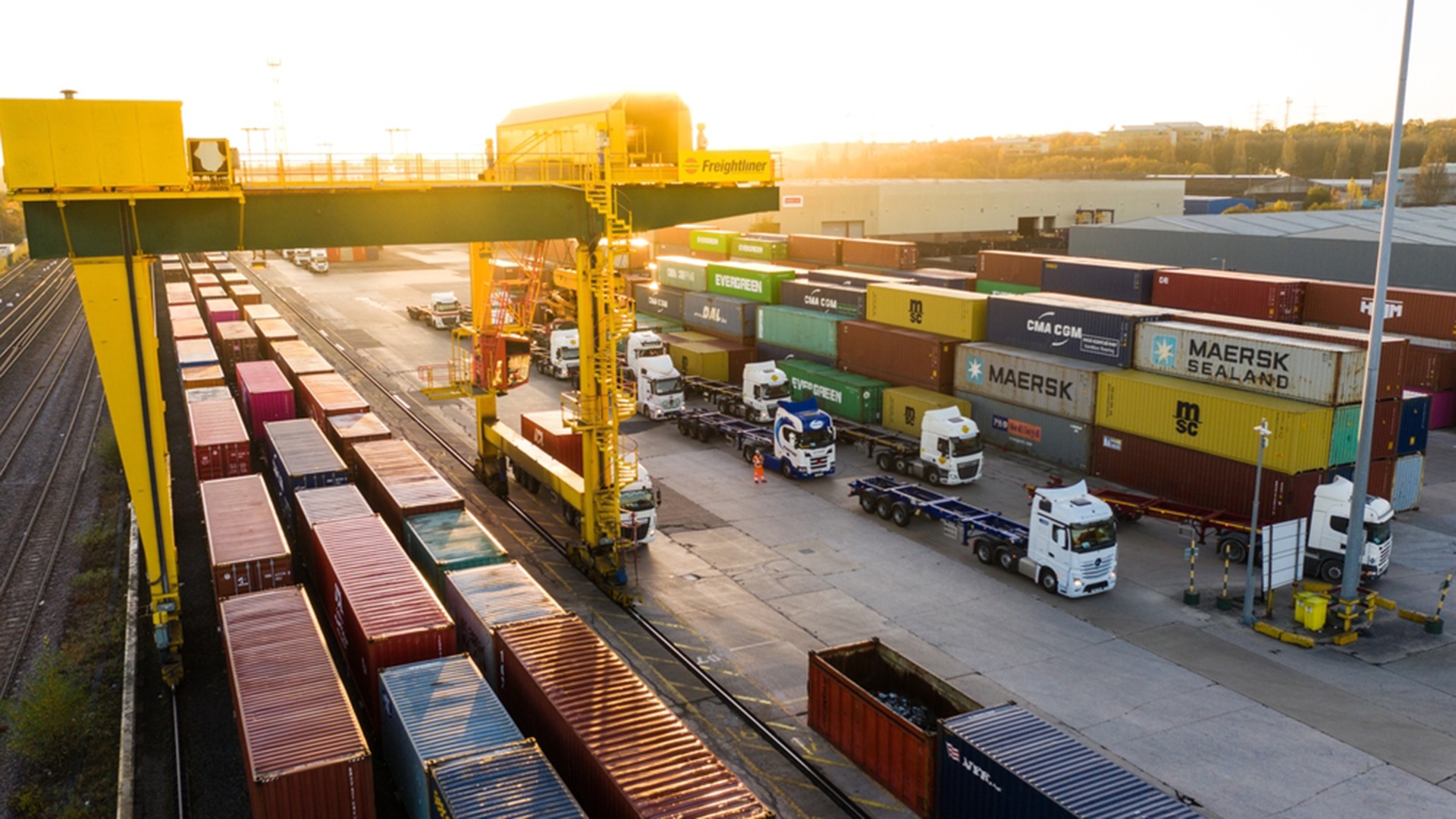
Introduction:The proposed merger between Union Pacific and Norfolk Southern aims to establish the first coast-to-coast freight rail operator in the United States, covering more than 50,000 miles across 43 states and connecting about 100 ports. Wikipedia Key Points: Conclusion:The merger represents a significant shift in the North American freight landscape, potentially reshaping the future of intermodal transportation.

Cross-Border Freight: U.S.-Canada-Mexico Trade in 2025

Transborder logistics services

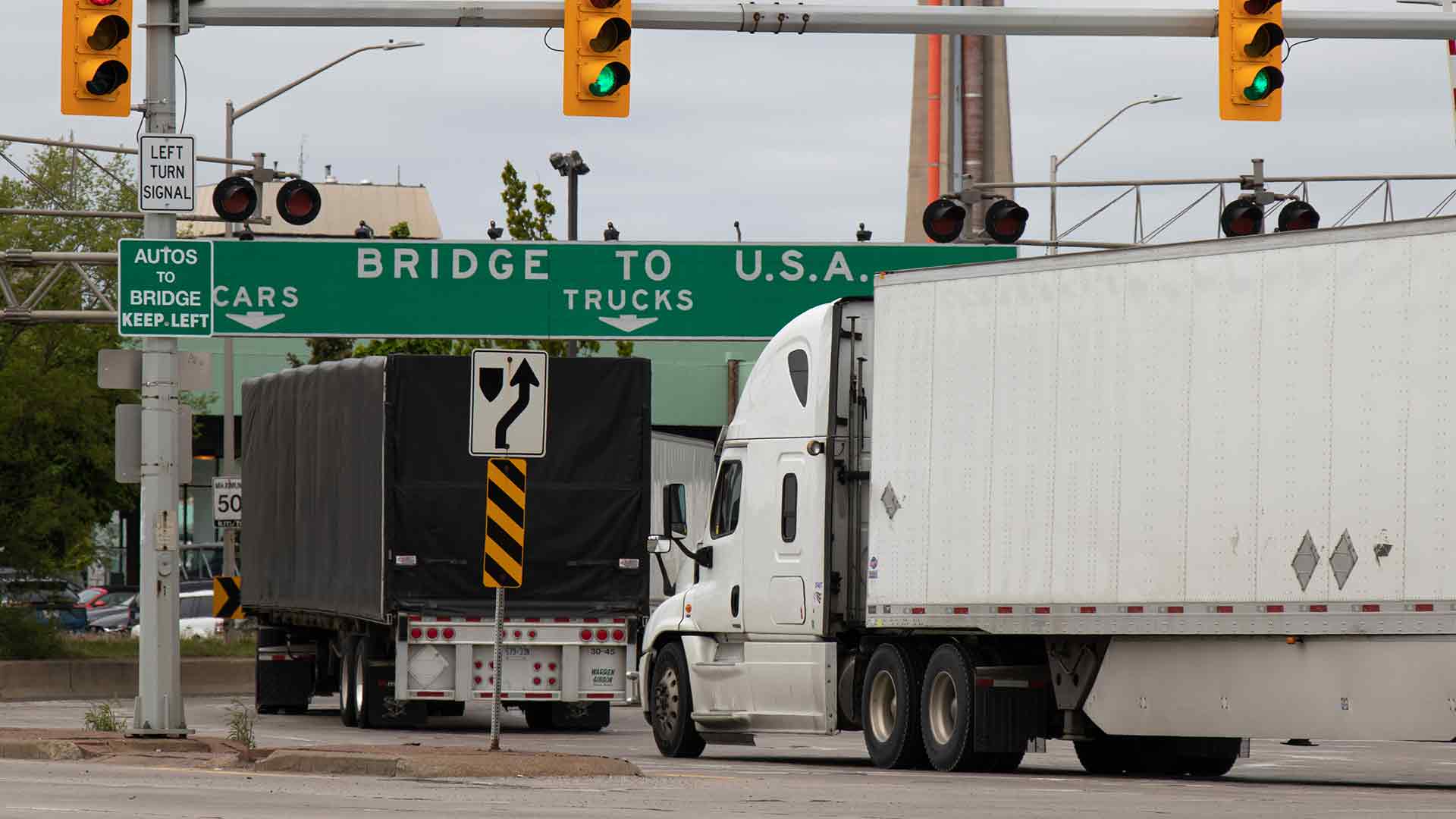
Introduction:In March 2025, cross-border freight shipments between the U.S., Canada, and Mexico totaled just over $144.8 billion, marking an 8.4% increase over March 2024. Bureau of Transportation Statistics Key Points: Conclusion:The robust cross-border freight activity underscores the importance of efficient logistics strategies in maintaining seamless trade relations between the U.S., Canada, and Mexico.

Intermodal Growth: The Future of North American Freight

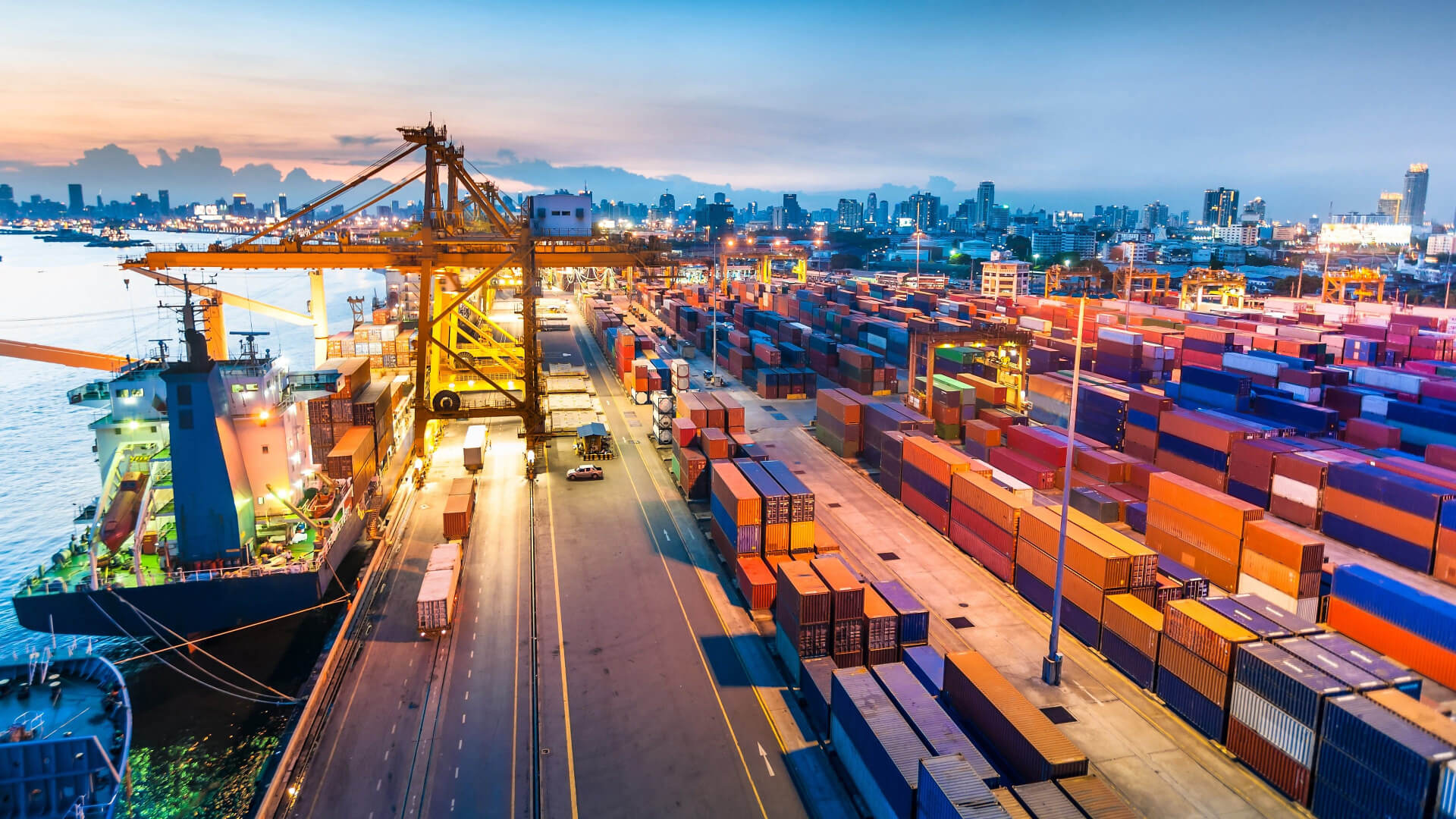
Cargo container terminal

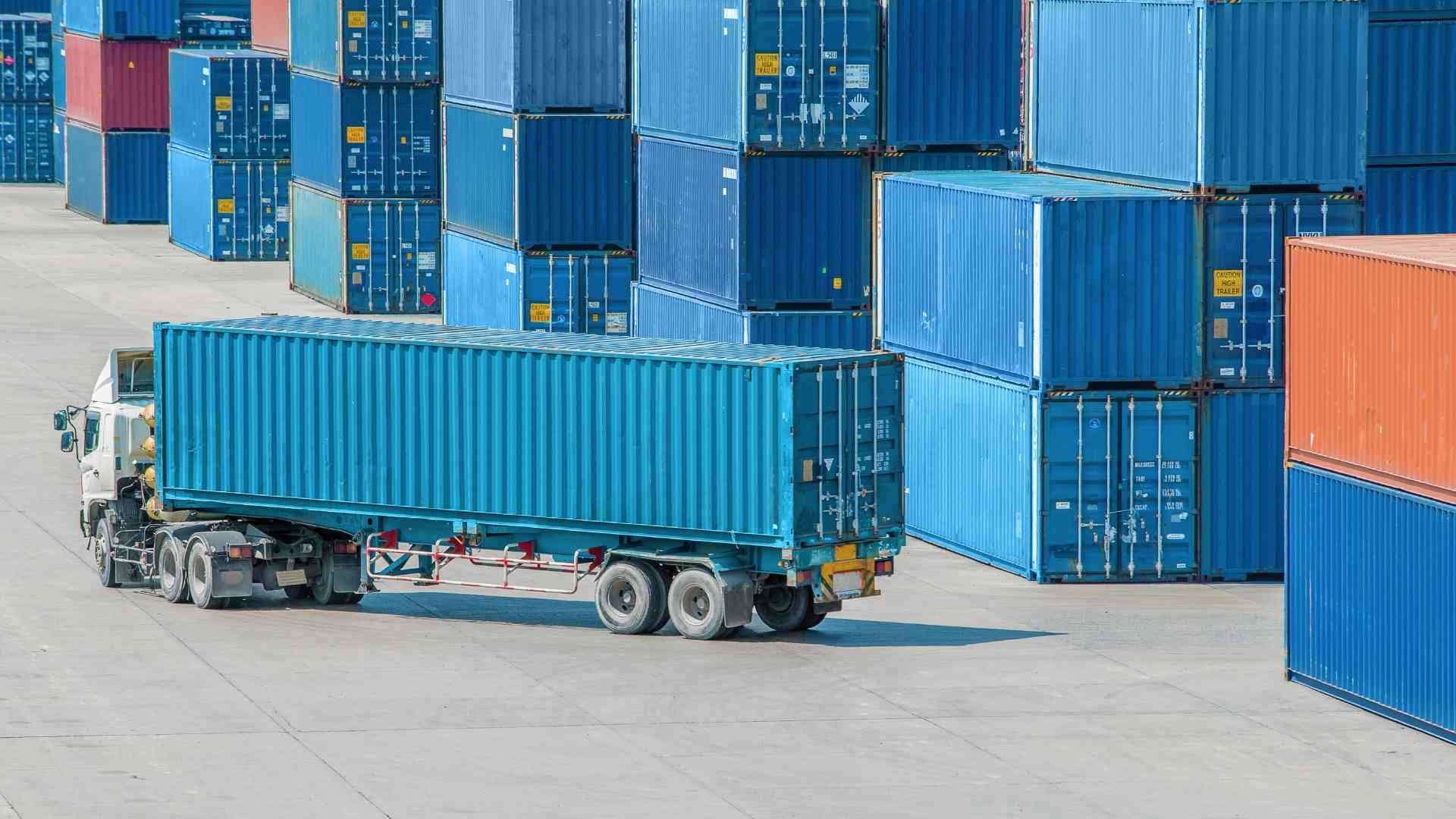
Introduction:Intermodal transportation is gaining traction in North America due to its cost-effectiveness, sustainability, and capacity advantages. Key Points: Conclusion:Embracing intermodal transportation can offer businesses a competitive edge by reducing costs and enhancing sustainability in their supply chains.

Navigating the Road Ahead: U.S. Port Fees and Their Impact on Freight Costs

Global container shortage

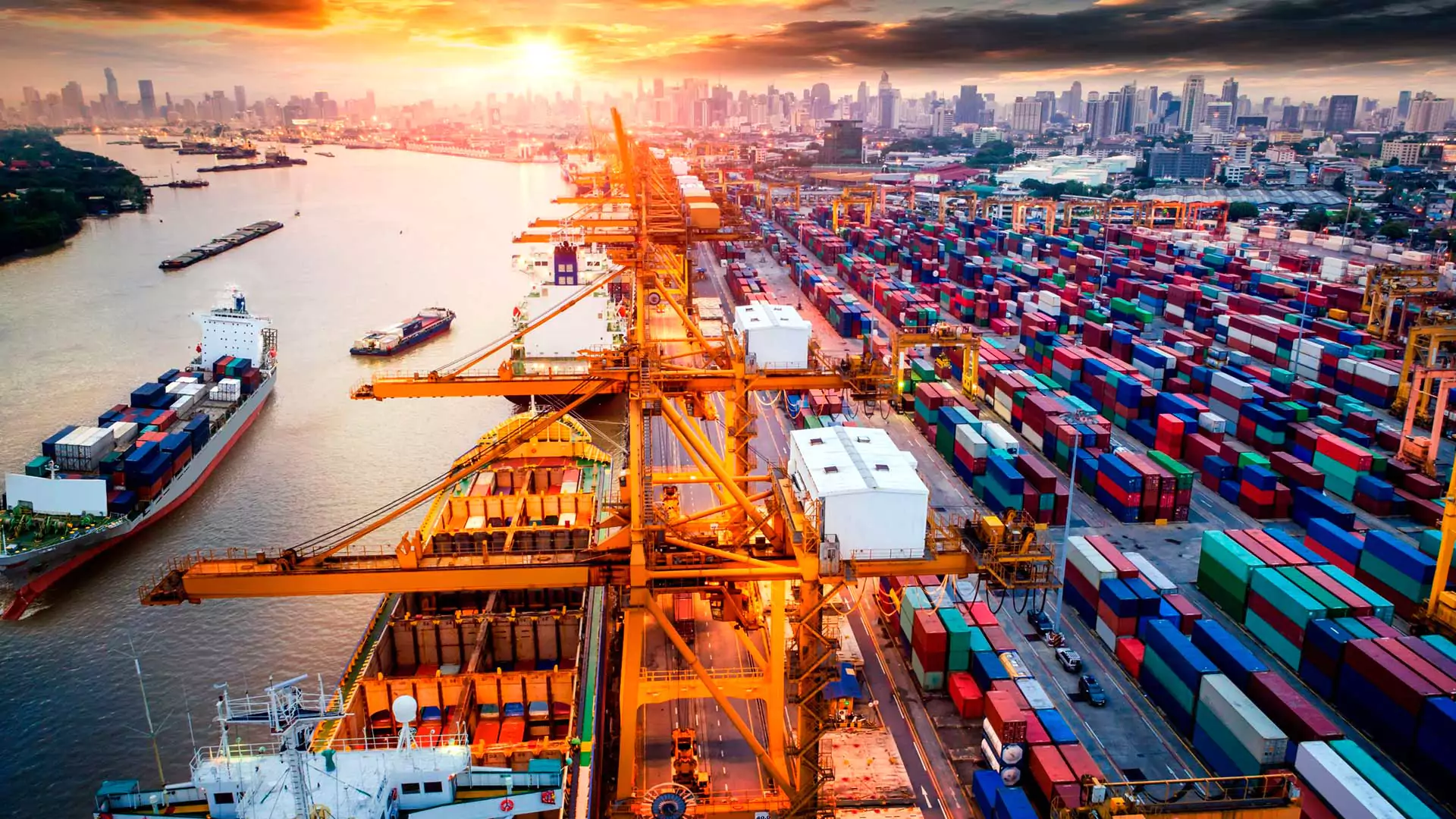
Introduction:Starting October 14, 2025, the U.S. plans to impose port fees on Chinese-built, -owned, and -operated ships. These fees could range from $1 million to $2.7 million per voyage, potentially escalating to $7.4 million by 2028. Wall Street Journal Key Points: Conclusion:Businesses should prepare for potential cost escalations and consider alternative shipping strategies to mitigate the impact of these new fees.